 Gear included
Guides
Language
EnglishCurrency
US dollar · $Your currency applies on GetYourGuide too.
Guide · Snorkeling
Snorkeling at Tavolara and in the Molara pools
The water around Tavolara is protected, clear and full of fish, and the shallow pools off Molara are the stop most boats plan for. Here is where to look, what you may see and the rules a snorkeler must follow.
Check availabilityfrom $87 · free cancellation
Editorial team, tavolaraboattour.comUpdated October 20, 20266-minute read23 sources
Quick answer
- 01Best known spot
- The Molara pools on the island's south-west side, clear water among granite rocks.1
- 03What you see
- Groupers have an abundant population in the protected area.4
- 04Gear
- This site's tour includes masks and snorkels for everyone.
- 05Time in the pools
- Boat listings give from 30 to 50 minutes at Molara on a half day.
Why the snorkeling here is so good
Snorkeling at Tavolara happens in a sea that has been protected for decades. The area was set up as a Marine Protected Area in 1997, and its managers map and monitor the Posidonia seagrass meadows every year.56 Fishing is tightly limited, spearfishing is banned, and the shoals you swim through are the result.
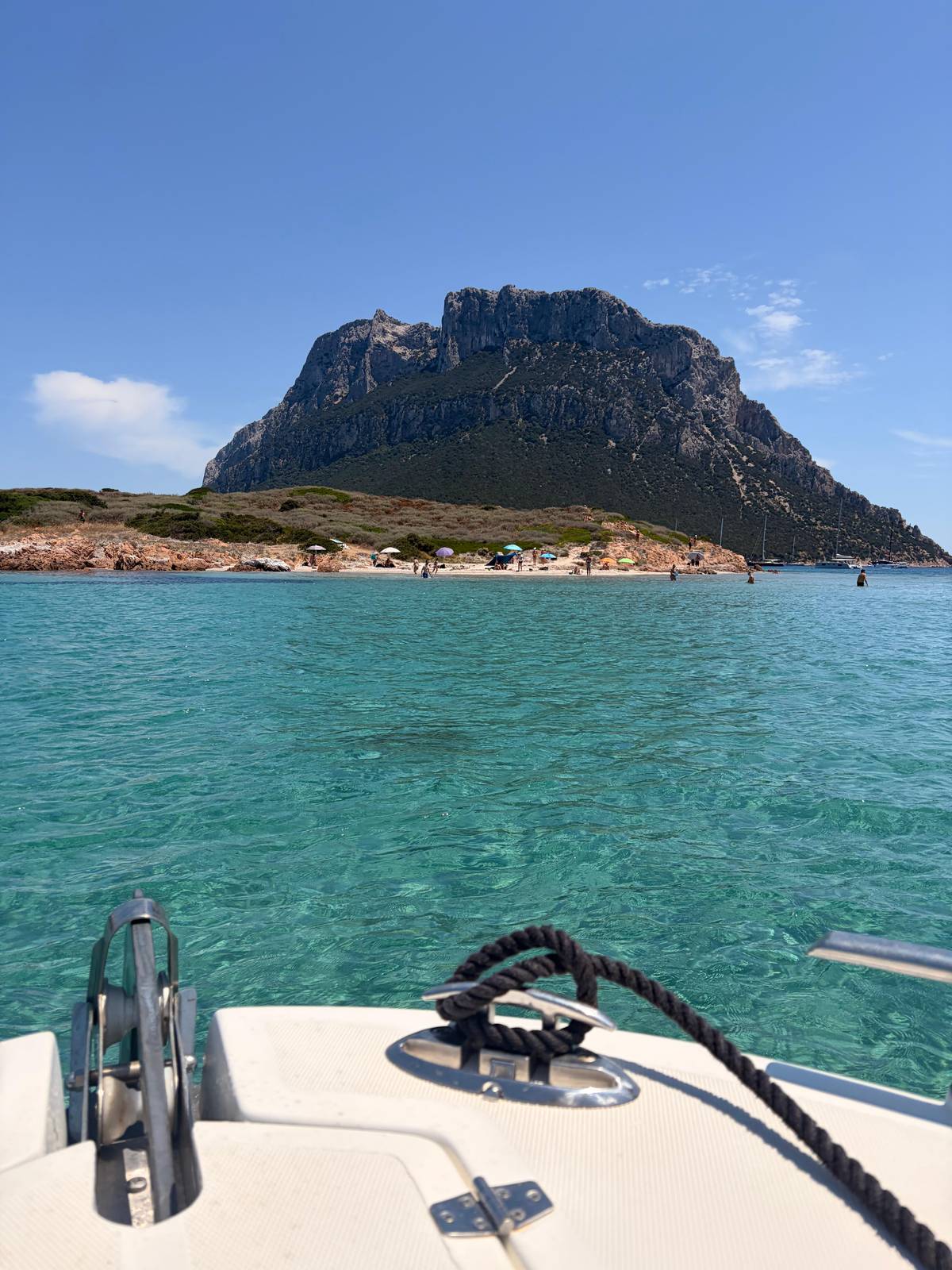
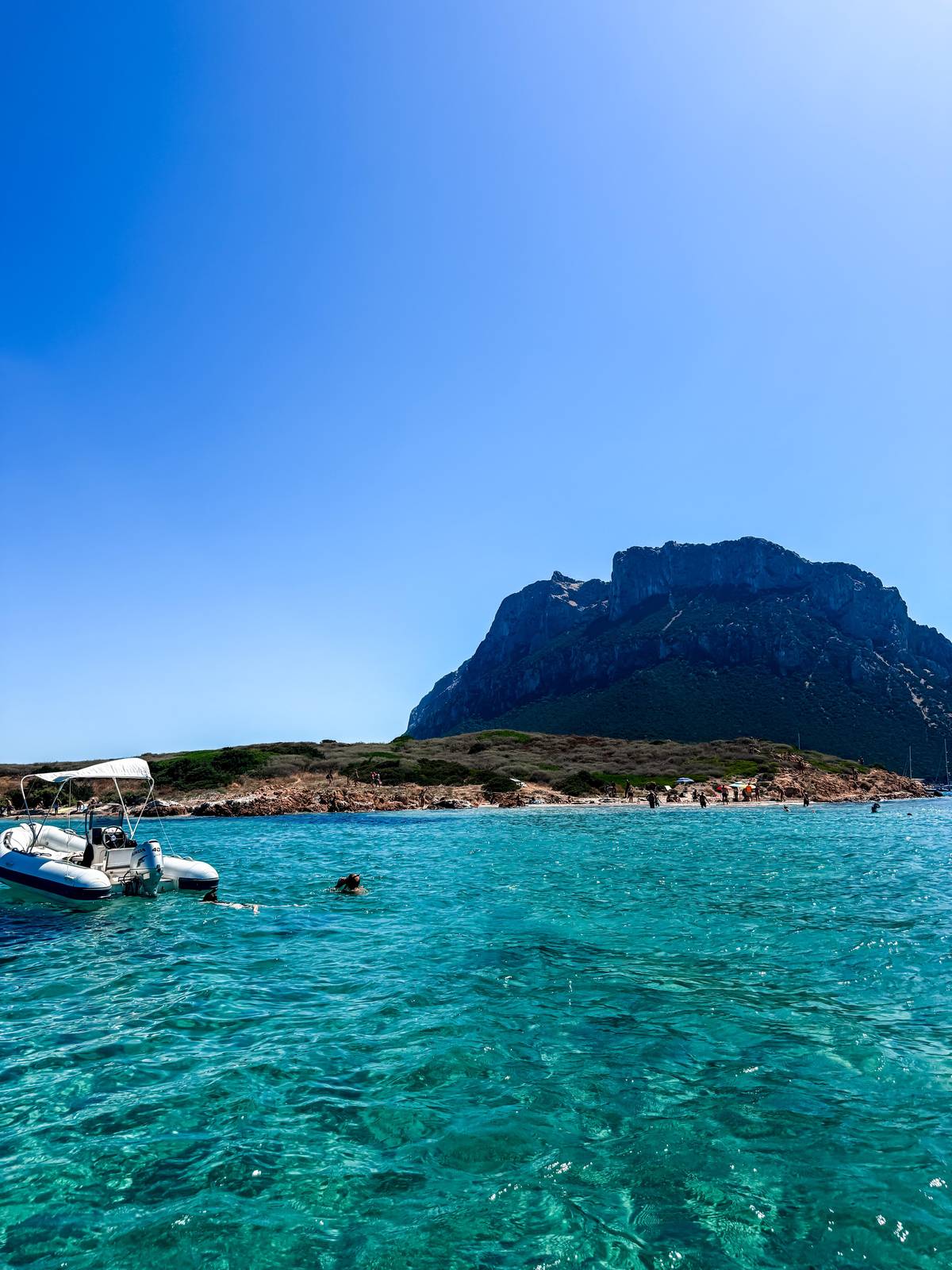
The regional tourism board calls Tavolara, especially its southern side at Teddja Liscia, and the islets of Molara and Molarotto a paradise for divers and for guided snorkeling, with schools of trusting fish.7 The best known spot of all is a set of pools off Molara, a stop named in many of the boat listings.
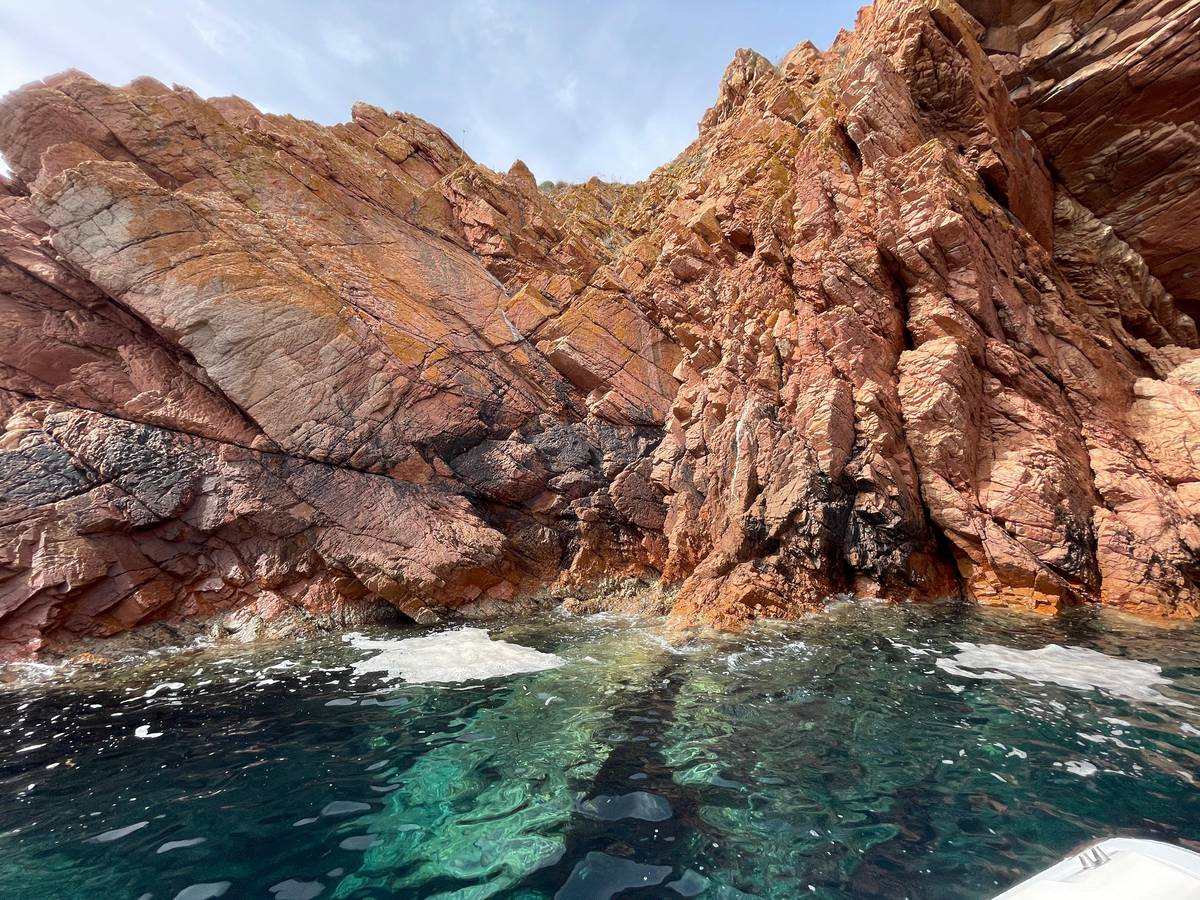
The landscape helps too. Granite boulders break the coast into small coves where the water stays calm, pale sand reflects the light, and meadows of Posidonia seagrass grow from the surface down past 40 metres, depending on how clear the water is.8 Even on a busy day, a few strokes away from the boat you are alone with the fish. Look down as well as along: pale sand patches between the meadows reflect the light and make every passing fish easy to follow.
A snorkel stop
How a stop at the pools usually goes
-
Before the stop
The briefing
The crew explains where to swim and how to get back on board.
-
At anchor
Gear on
Fit the mask on the boat and test the snorkel by the ladder.
-
In the water
Swim with a buddy
Stay together and within sight of your own boat.
-
Halfway
Look and float
Rest face down and let the fish return to the rocks.
-
Back on board
Rinse and drink
Fresh water and shade before the next stop.
The Molara pools
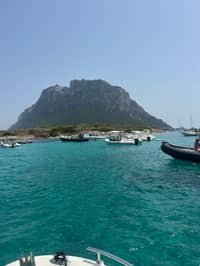
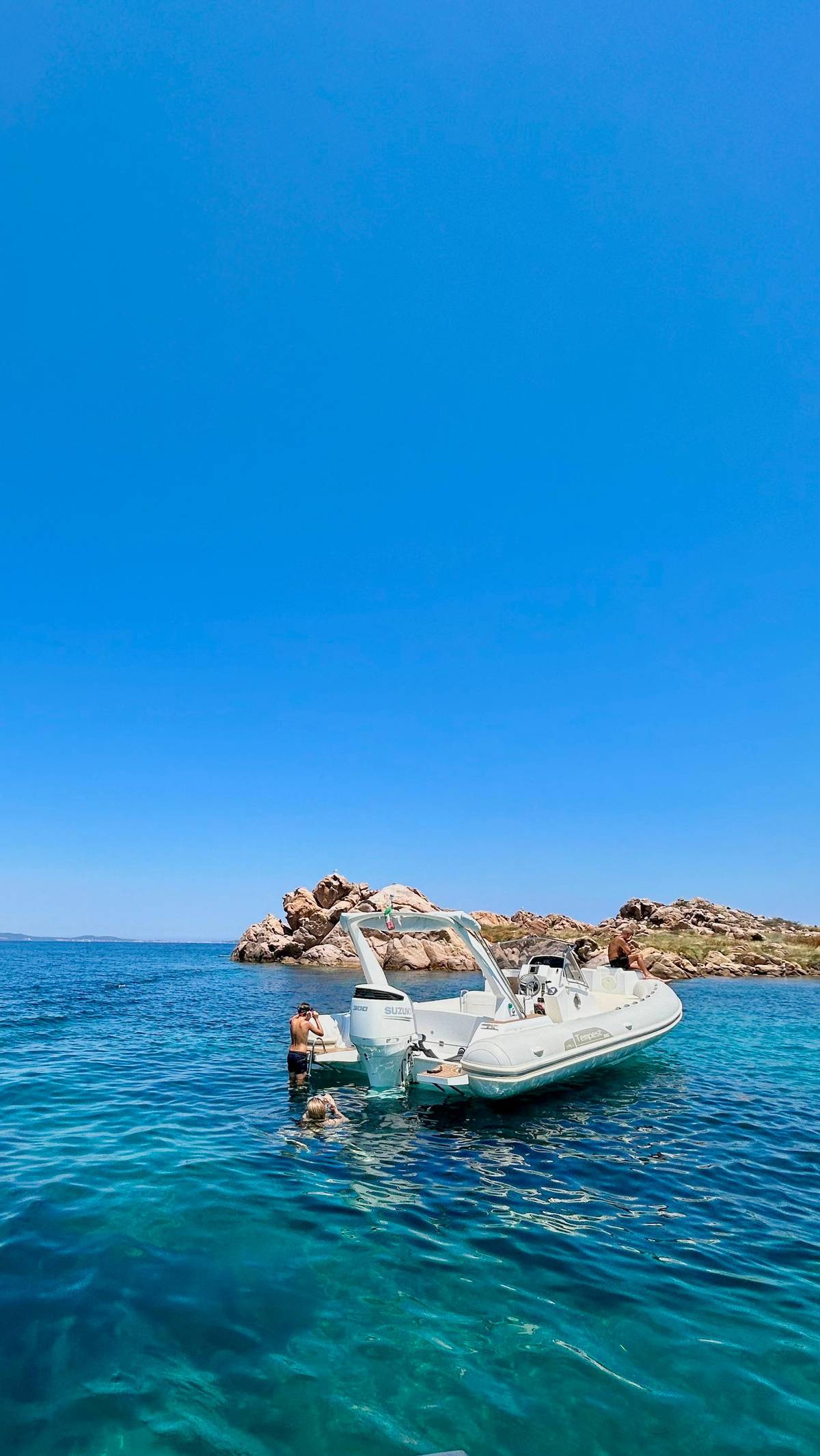
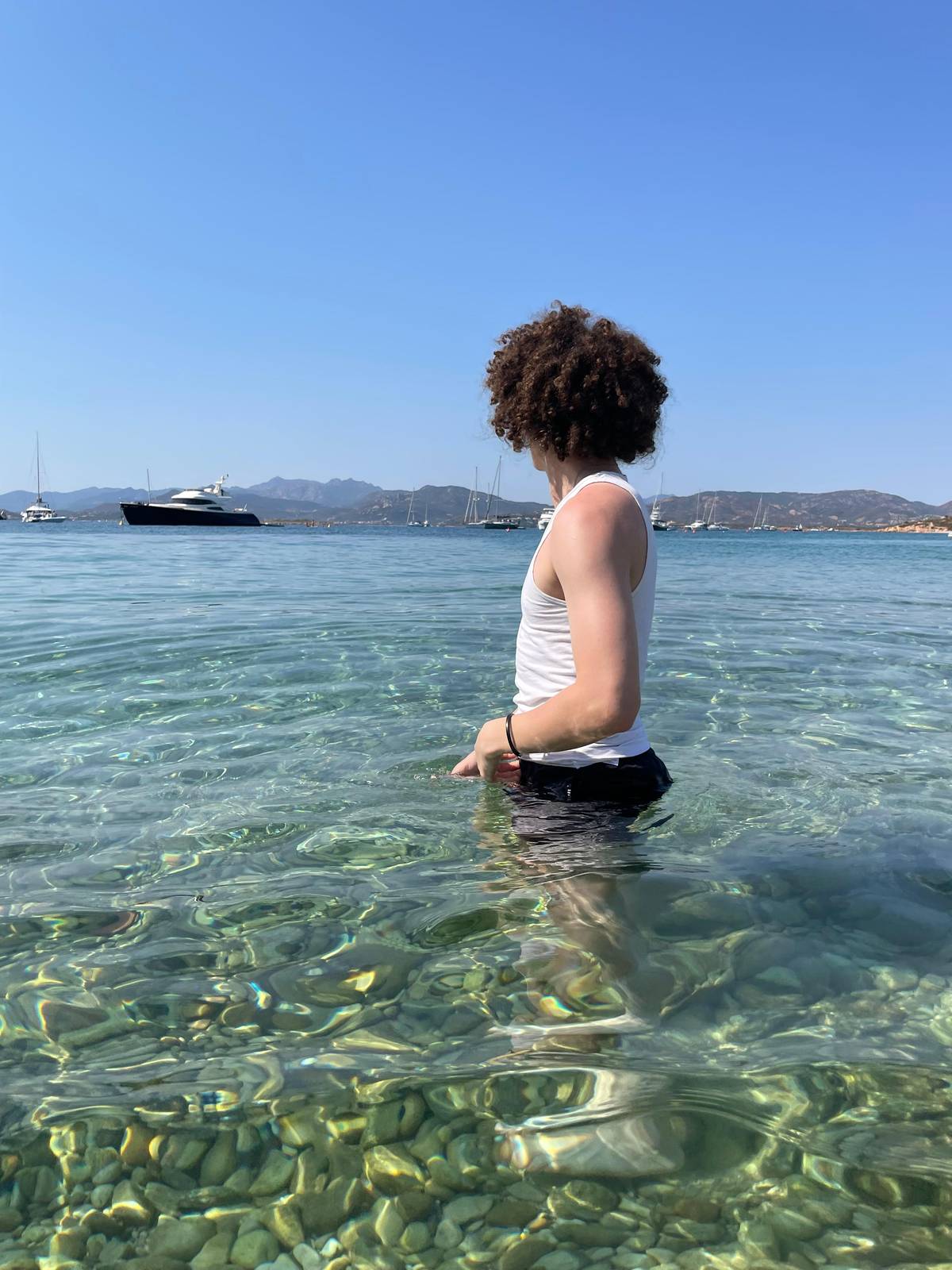
In Italian they are the piscine naturali, the natural pools: turquoise water among granite rocks on the south-western side of Molara, described by the regional tourism board as ideal for snorkeling.1 Granite boulders frame the pools, and the colours shift from pale green over sand to deep blue where the rock drops away.
Because so many boats come, the protected area controls how they stop. Its services map shows an anchoring zone at the pools for boats up to 30 metres, and two mooring buoys at Molara are kept for operators who carry passengers.910 Anchoring is banned anywhere in the area on Posidonia meadows, so skippers drop anchor on sand or tie up to a buoy.11
How long you stay depends on the boat. The listings give 30 minutes at the pools on the 4-hour trip with docking on Tavolara, 45 minutes on the San Teodoro grand tour and 50 minutes with a coffee break on the classic boat from Porto San Paolo. The sunset trip from Porto San Paolo spends 100 minutes there with its aperitif.
Time in the water
Minutes at the Molara pools, by boat
minutes
Three ways to snorkel
Pick the boat by its snorkel stops
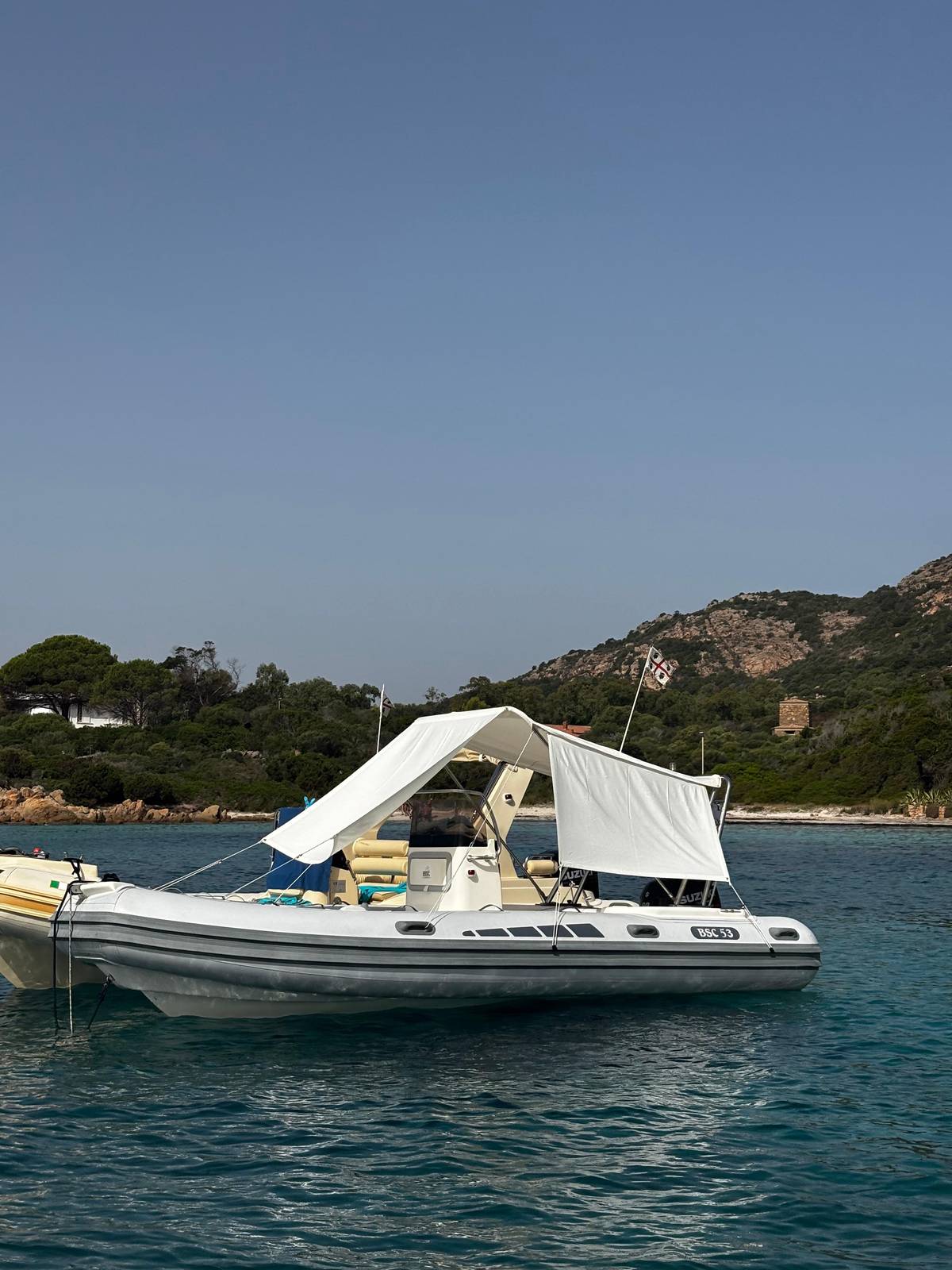
Gear included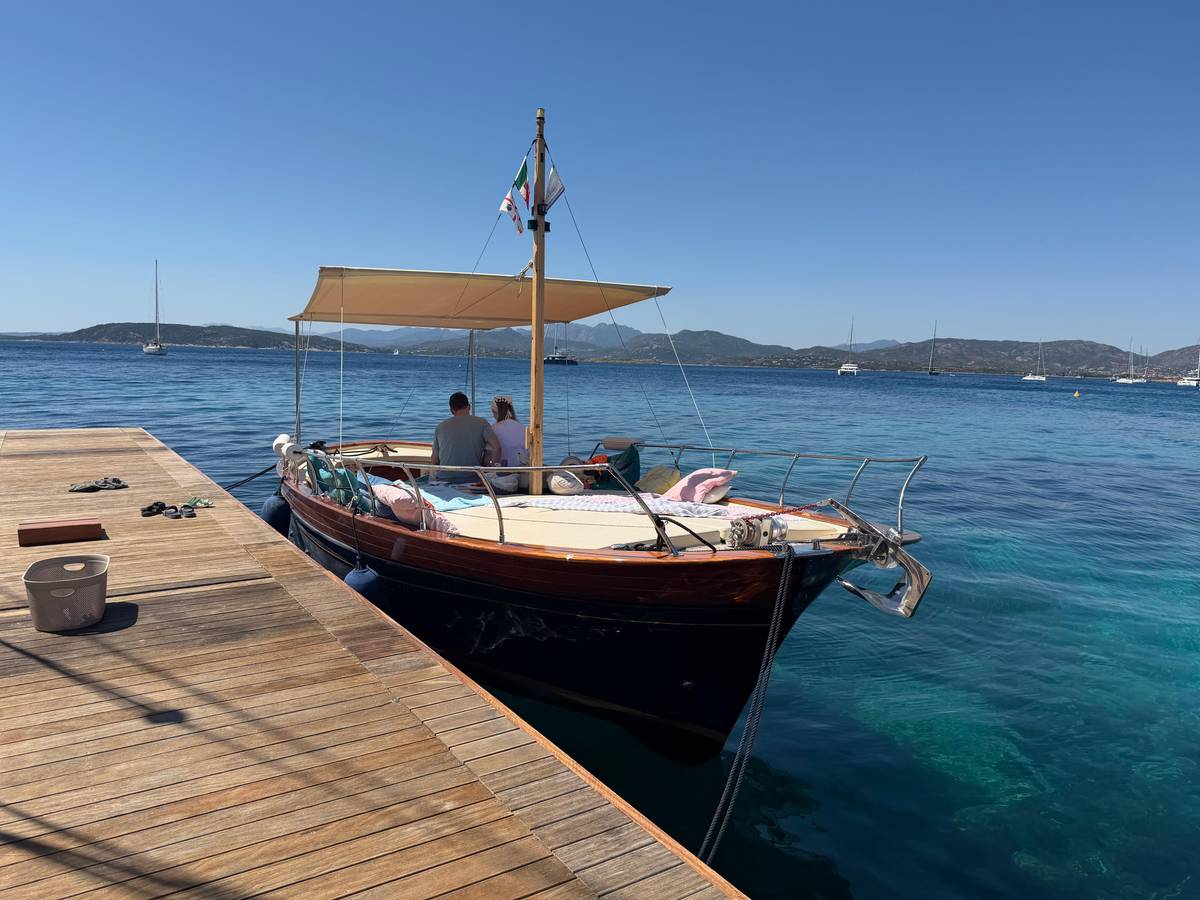 Long stop at Molara
 Bring a snorkel
Docking half day
From the Olbia marina
- Molara
- 30 minutes
- Ashore
- 1 hour on Tavolara
- Price
- from $93
Decision helper
Which snorkel day suits you?
Start from what matters most in the water
This site's tour
Masks and snorkels are included for everyone.
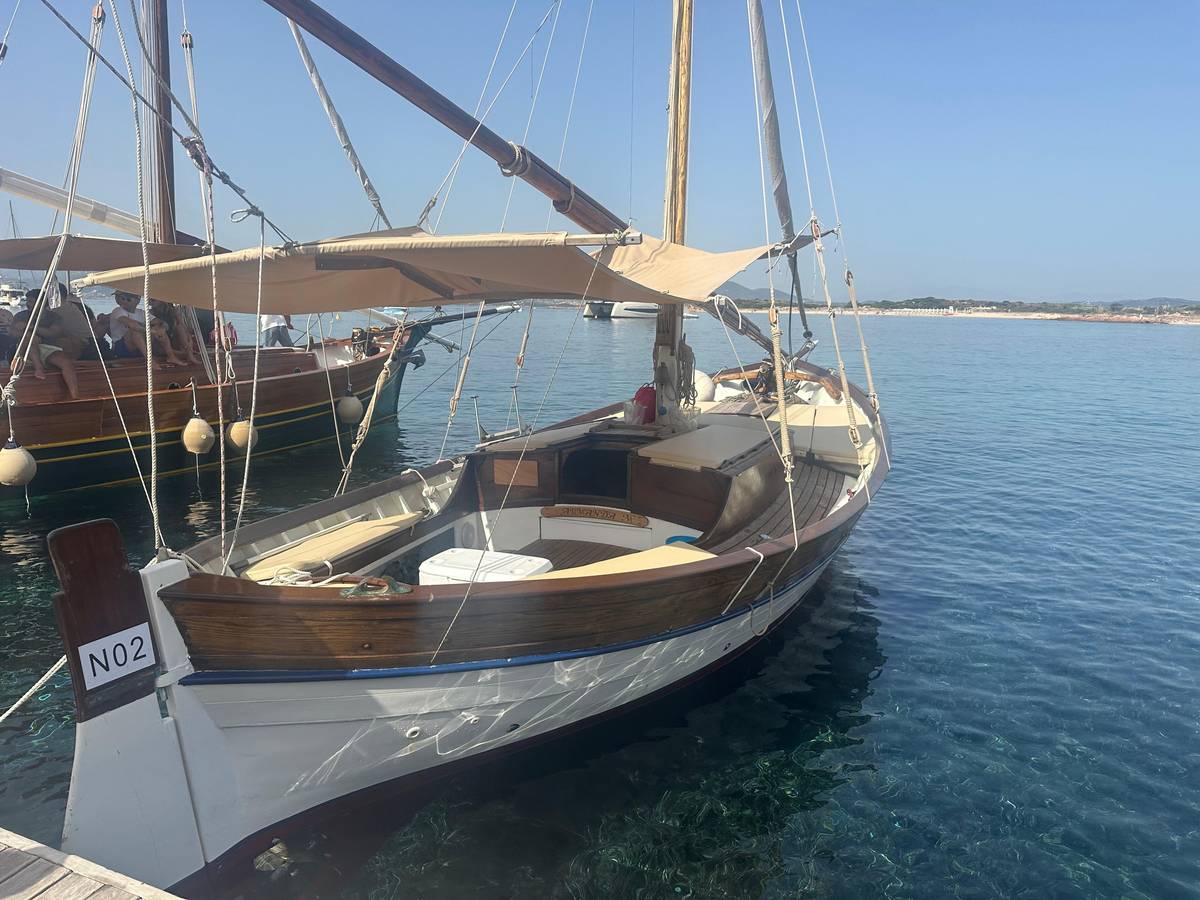
The classic boat
It lists 50 minutes at Molara with a coffee break.
The docking half day
1 hour of free time on Tavolara after the pools.
Cala Suaraccia RIB
Its beach start is described as sheltered from Scirocco.
Sunset aperitif boat
100 minutes at Molara as the sun goes down.
Privileged prey of underwater sport fishing, however, it has become a symbol of many MPAs and a great attraction for underwater tourism. In the MPA of Tavolara Punta Coda Cavallo there is an abundant population.
What lives in the water
The animal most visitors hope to meet is the dusky grouper, a heavy, slow fish that lives among rocks and seagrass. The protected area says it has become a symbol of many reserves and an attraction for underwater tourism, and that its population here is abundant.4 Look for it in the shade of big boulders, watching you as much as you watch it.
Brown meagre gather in small groups near dark caves and cracks in the rock, from 10 metres down.12 Deeper still, below 30 metres, the rocky bottoms carry coralligenous reefs, and red gorgonian fans grow from 25 metres down.1314 A snorkeler will not reach them, but the clear water sometimes lets you glimpse the colour far below.
Bring your eyes to the surface too. Half of the world's Yelkouan shearwaters breed in the caves of Tavolara and Molara, and Audouin's gulls nest on the small islands where people rarely go.1516 Never feed fish or birds, and never touch anything on the bottom: in a reserve, everything stays where it is. A slow, quiet swimmer sees far more than a fast one: float, breathe calmly through the snorkel and let the fish come back to the rocks around you.
Checklist
Your snorkel bag
01
Pack
- Your own mask, if you have one that fits
- A thin long-sleeved top against the sun
- Water shoes for the granite rocks
- More drinking water than you think
02
In the water
- Stay close to your boat
- Touch nothing on the bottom
- Never feed fish or birds
Video
Sardinia's snorkeling on Molara Island
Nothing loads from YouTube until you press play.
The rules for snorkelers
In this protected area the law treats snorkeling as swimming: the regulation defines swimming to include the use of a mask and snorkel, fins, boots and gloves.2 Swimming is forbidden in zone A and free in zones B and C, subject to the maritime authority's orders.3 Your skipper chooses the stops, so on a tour you will only be put in the water where it is allowed. If you are unsure whether a spot is open, ask the crew before you jump.
Guided snorkeling with a professional is limited too. At each site no more than 2 boats may work at the same time, and one guide may lead no more than 10 people in the water.17
Spearfishing and jet skis are banned throughout the area.18 If you rent a boat, remember that in zones B and C motor boats must keep below 5 knots within 300 metres of the coast, which is where snorkelers float.19 Always swim close to your own boat and, if you are using a buoy or flag, keep it with you.
Gear: what is provided and what to bring
Check each listing, because the answer varies. This site's tour includes snorkeling gear, masks and snorkels for everyone. The 8-hour small-group trip also includes the gear. The 4-hour trip that docks on Tavolara provides masks but not snorkels, for hygiene, so bring your own mouthpiece.
If you own a mask that fits, bring it anyway. A mask that leaks spoils a snorkel faster than anything, and your own is the one you know. Add reef-safe sunscreen, or better a thin long-sleeved top, because you will float face down in strong sun for long stretches. Practise clearing your snorkel in the first minutes at the boat, where you can stand on the ladder, before you set off along the rocks.
Water shoes help on the granite rocks at the pools, and a small dry bag keeps your phone and ID safe on deck. Bring drinking water as well: an extra bottle each costs nothing and spares you a thirsty ride back after a long swim in salt water.
When the sea is best for snorkeling
Sardinia's bathing season runs from the third week of May to the third week of September, inside a longer summer season from April to October.2021 July and August are the warmest months at Olbia, with average highs of 31.9 °C.22 No official station measures the sea temperature near Tavolara, so judge the water by the season rather than by a promised number.
Wind matters more than temperature. Olbia records about 13 to 18 days a month with wind of 10 m/s or more, all year round, and even in summer some mornings are choppy.23 Skippers then move to sheltered coves; one San Teodoro operator starts from a beach that it says stays sheltered on days of Scirocco wind.
Plan around the wind rather than the calendar. Keep a spare day for the boat, check the forecast the evening before and use free cancellation if the sea looks rough. This site's tour leaves the Olbia marina at 9:30 AM, so you are in the water while the morning light is still low and soft.
Book your seat
Snorkel off Tavolara this summer
Up to 10 guests, gear included, back in Olbia by 1:30 PM.


You ask,we answer.
Where are the Molara pools?
On Molara's south-west side. Turquoise water among granite rocks, ideal for snorkeling.1
Is snorkeling allowed everywhere?
No. It counts as swimming, which is forbidden in zone A and allowed in zones B and C.23
Do I need my own mask?
Not on this site's tour. Masks and snorkels are included for everyone.
Will I see groupers?
Quite possibly. The protected area says its population of dusky groupers is abundant.4
Are there mooring buoys at Molara?
Two, for tour boats. The protected area keeps two buoys at Molara for operators who carry passengers.10
Can children snorkel on this tour?
From age 3. Children under 3 cannot join this site's tour; keep young swimmers close to the boat.
Sources
Sources and evidence
- 1SardegnaTurismo (Regione Sardegna)Molara | SardegnaTurismo - Sito ufficiale del turismo della Regione Sardegna↩
- 2Ministero dell'Ambiente (MASE) - D.M. 3 dicembre 2014, GU Serie Generale n.6 del 9-1-2015 (PDF)Approvazione del regolamento di esecuzione e organizzazione dell'area marina protetta «Tavolara - Punta Coda Cavallo» (15A00040)↩
- 3Ministero dell'Ambiente (MASE) - D.M. 3 dicembre 2014, GU Serie Generale n.6 del 9-1-2015 (PDF)Approvazione del regolamento di esecuzione e organizzazione dell'area marina protetta «Tavolara - Punta Coda Cavallo» (15A00040)↩
- 4Area Marina Protetta Tavolara Punta Coda CavalloFishes | Area Marina Protetta Tavolara - Punta Coda Cavallo↩
- 5Area Marina Protetta Tavolara Punta Coda CavalloThe 3 Towns | Area Marina Protetta Tavolara - Punta Coda Cavallo↩
- 6Area Marina Protetta Tavolara Punta Coda CavalloMonitoring Posidonia oceanica | Area Marina Protetta Tavolara - Punta Coda Cavallo↩
- 7SardegnaTurismo (Regione Sardegna)Tavolara | SardegnaTurismo - Sito ufficiale del turismo della Regione Sardegna↩
- 8Area Marina Protetta Tavolara Punta Coda CavalloPosidonia oceanica prairie | Area Marina Protetta Tavolara - Punta Coda Cavallo↩
- 9Area Marina Protetta Tavolara Punta Coda CavalloServices | Area Marina Protetta Tavolara - Punta Coda Cavallo↩
- 10Consorzio di Gestione AMP Tavolara - Punta Coda Cavallo (PDF)Disciplinare integrativo al Regolamento di esecuzione e organizzazione dell'AMP di Tavolara Punta Coda Cavallo, 2025↩
- 11Ministero dell'Ambiente (MASE) - D.M. 3 dicembre 2014, GU Serie Generale n.6 del 9-1-2015 (PDF)Approvazione del regolamento di esecuzione e organizzazione dell'area marina protetta «Tavolara - Punta Coda Cavallo» (15A00040)↩
- 12Area Marina Protetta Tavolara Punta Coda CavalloFishes | Area Marina Protetta Tavolara - Punta Coda Cavallo↩
- 13Area Marina Protetta Tavolara Punta Coda CavalloCoralligenous | Area Marina Protetta Tavolara - Punta Coda Cavallo↩
- 14Area Marina Protetta Tavolara Punta Coda CavalloMarine invertebrates | Area Marina Protetta Tavolara - Punta Coda Cavallo↩
- 15Area Marina Protetta Tavolara Punta Coda CavalloSea birds | Area Marina Protetta Tavolara - Punta Coda Cavallo↩
- 16Area Marina Protetta Tavolara Punta Coda CavalloSea birds | Area Marina Protetta Tavolara - Punta Coda Cavallo↩
- 17Ministero dell'Ambiente (MASE) - D.M. 3 dicembre 2014, GU Serie Generale n.6 del 9-1-2015 (PDF)Approvazione del regolamento di esecuzione e organizzazione dell'area marina protetta «Tavolara - Punta Coda Cavallo» (15A00040)↩
- 18Area Marina Protetta Tavolara Punta Coda CavalloZonizzazione | Area Marina Protetta Tavolara - Punta Coda Cavallo↩
- 19Ministero dell'Ambiente (MASE) - D.M. 3 dicembre 2014, GU Serie Generale n.6 del 9-1-2015 (PDF)Approvazione del regolamento di esecuzione e organizzazione dell'area marina protetta «Tavolara - Punta Coda Cavallo» (15A00040)↩
- 20Regione Autonoma della SardegnaOrdinanza balneare 2026: disciplina delle attività esercitabili sul demanio marittimo↩
- 21Regione Autonoma della SardegnaOrdinanza balneare 2026: disciplina delle attività esercitabili sul demanio marittimo↩
- 22↩
- 23WMO (archived by the US National Centers for Environmental Information)WMO Climate Normals 1991-2020, Olbia (16531)↩